
From humble beginnings in cramped basements and bedrooms, LAN gaming has undergone a remarkable evolution to become a cornerstone of the global eSports phenomenon we see today. What started as friends connecting a handful of computers with Ethernet cables to play their favorite games has transformed into massive, professionally organized tournaments drawing millions of viewers worldwide.
In the early days, LAN parties were informal gatherings—simple setups with limited hardware, a patchwork of cables, and plenty of excitement. The appeal was straightforward: low latency, direct player interaction, and a social atmosphere that online play couldn’t replicate. These basement battles created tight-knit communities and sparked the competitive spirit in countless gamers.
As technology advanced, so did LAN gaming. Faster networks, more powerful PCs, and improved games fueled bigger events. Game developers began to embrace competitive multiplayer modes designed with LAN play in mind, refining maps, balancing mechanics, and encouraging team strategies. Titles like Counter-Strike, StarCraft, and Quake became legends, defining the LAN era and laying the groundwork for professional competition.
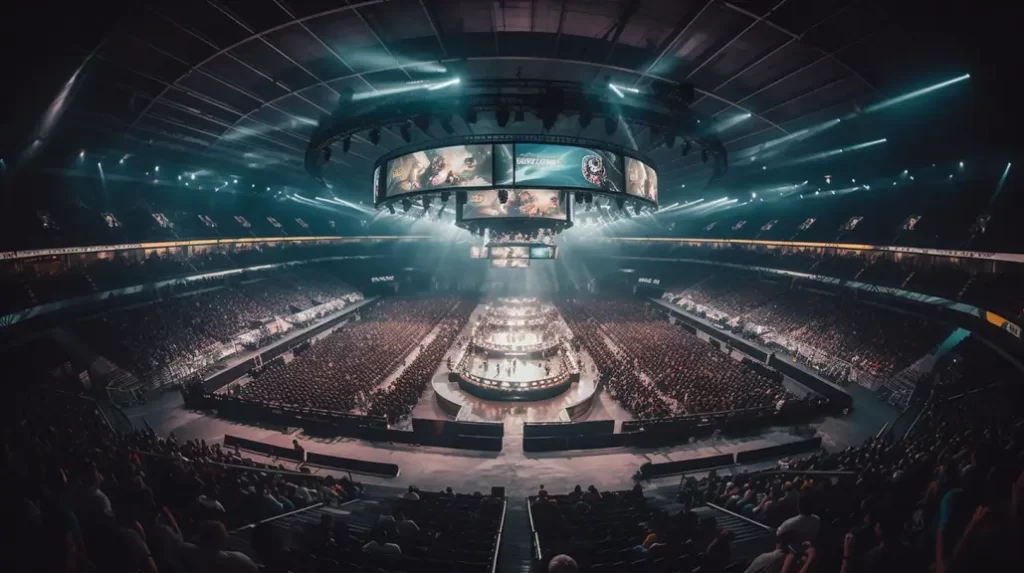
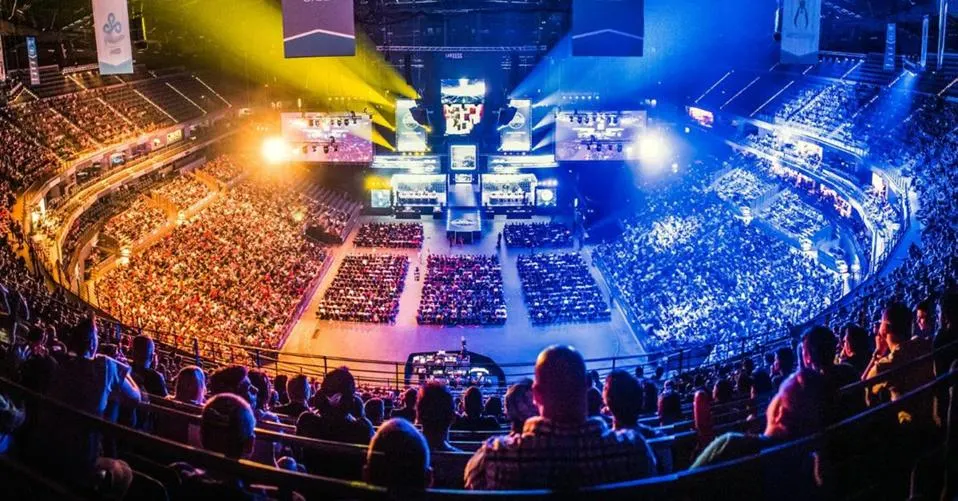
The rise of eSports took LAN gaming to new heights. Stadiums replaced basements, and audiences grew from a few friends to tens of thousands in arenas and millions online. LAN became the backbone of these events, ensuring reliable, high-speed connections for flawless gameplay. The social and competitive elements evolved into full-scale productions, complete with commentary, sponsorships, and global fanbases.
Despite the explosion of online gaming and cloud-based tournaments, LAN remains vital. It symbolizes the roots of competitive gaming—a shared space where skill, teamwork, and quick reflexes collide in real time without the unpredictability of internet lag. Modern LAN events combine nostalgia with cutting-edge technology, offering players the best of both worlds.
From basement battles to packed arenas, LAN gaming’s journey reflects the growth of gaming culture itself. It’s a story of connection—between players, communities, and the evolving landscape of competitive play—and its legacy continues to shape the future of eSports.